
Factory New Ammo Explained: What It Means and Why Shooters Trust It
Have you ever wondered why factory new ammo feels like a trusted promise in your hands? It arrives sealed, precisely loaded, and rigorously inspected—so you can focus on your shot, not on second-guessing your rounds. Each cartridge delivers consistent pressure and velocity, which means reliable feeding and grouping right out of the box. Simply choose the correct caliber for your firearm, store it in a cool, dry place, and enjoy the confidence that comes from ammunition built to perform exactly as 7.62x54R Ammo for Sale intended.
What Exactly Does “Factory New” Mean for Ammunition?
When you buy “factory new” ammo, it means the cartridge left the manufacturing line with pristine, unfired brass, a fresh primer, and a bullet seated to spec—never loaded, chambered, or exposed to the elements. The magic is in the tension: new brass hasn’t been stretched by a previous firing, so it grips the bullet tightly and expands uniformly on ignition, which translates to tighter groups and consistent velocity. For a reloader, factory new is also a goldmine—those cases are in their ideal state for resizing, since they’ve never fire-formed to another gun’s chamber. In the field, you trust it because there’s zero risk of a weak headstamp or a dented case from a previous ejection. *Q: Does “factory new” guarantee match accuracy?* No—it guarantees fresh components, not precision; accuracy still depends on your rifle and load.
Defining the Term: Fresh Production vs. Remanufactured Rounds
In ammunition terminology, “factory new” strictly applies to fresh production rounds, meaning cartridges assembled from newly manufactured components—virgin brass, new primers, fresh powder, and untouched bullets—loaded on commercial production lines. Remanufactured rounds, by contrast, use once-fired or pulled components that undergo inspection, resizing, and reloading to factory specifications. While both may function reliably, fresh production guarantees zero unknown wear or stress to the casing, whereas remanufactured .17 HMR Ammo for Sale rounds carry inherent variability from prior use. For defensive, precision, or critical applications, fresh production is the definitive standard; remanufactured ammunition should be treated as a budget or practice option only.
- Fresh production uses all-new components; remanufactured uses processed, previously fired brass.
- Pressure tolerances are more consistent in fresh rounds due to virgin case dimensions.
- Remanufactured rounds may require tighter inspection for case neck cracks or primer pocket wear.
- Storage life is typically longer for fresh production due to unexposed metal fatigue.
Key Visual and Packaging Clues That Confirm a Fresh Batch
Spotting a genuinely fresh batch starts with the box itself: crisp, unblemished cardboard with sharp, vivid ink indicates recent printing, not warehouse dust. Peel back the flap—factory-new ammo often features a sealed inner wrap or a taut, vacuum-like tray that holds each round immobile. Look for primer sealant as a visual freshness stamp; a glossy, uniform ring around the primer confirms the batch moved quickly from production to packaging. Examine the brass—a uniform, bright luster without oxidation spots or faint white haze 7mm PRC Ammo for Sale is a hallmark of newly drawn cases. *A slightly tacky, not oily, surface film on the bullets is the quiet signature of a just-sealed batch, not a re-lubed old lot.* Finally, check the lot number and date code: a clean, laser-engraved stamp aligns with packaging that lacks scuff marks or faded barcodes, proving the case hasn’t been handled, stacked, or stored for months.
Fresh-batch confirmation relies on sealed inner wrappers, glossy unsullied brass, visible primer sealant, and a sharp, unscuffed lot-code imprint—all visual and packaging tells of a newly produced factory load.
Why Choose Freshly Manufactured Rounds Over Reloads or Surplus?
Freshly manufactured rounds eliminate the guesswork baked into reloads or surplus. With factory-new ammo, every case is virgin, every primer seated to spec, and every powder charge weighed by machine—so you get consistent velocity, uniform pressure, and predictable point-of-impact shot after shot. Reloads might save money, but they inherit unknown brass life and can vary with each batch’s hand-tuning; surplus, meanwhile, carries decades of storage unknowns, from corrosive primers to degraded propellant. That variance isn’t just about accuracy—it’s about safety and reliability in a defensive or competitive context. New rounds also feed and extract more cleanly because cases haven’t been resized or work-hardened.
You’re not paying for ammunition; you’re buying a guarantee that the only variable in the shot is you.
When your gut shot or group size matters, freshly manufactured ammo turns your firearm into a consistent tool instead of a test of patience.
Consistent Pressure and Velocity You Can Rely On
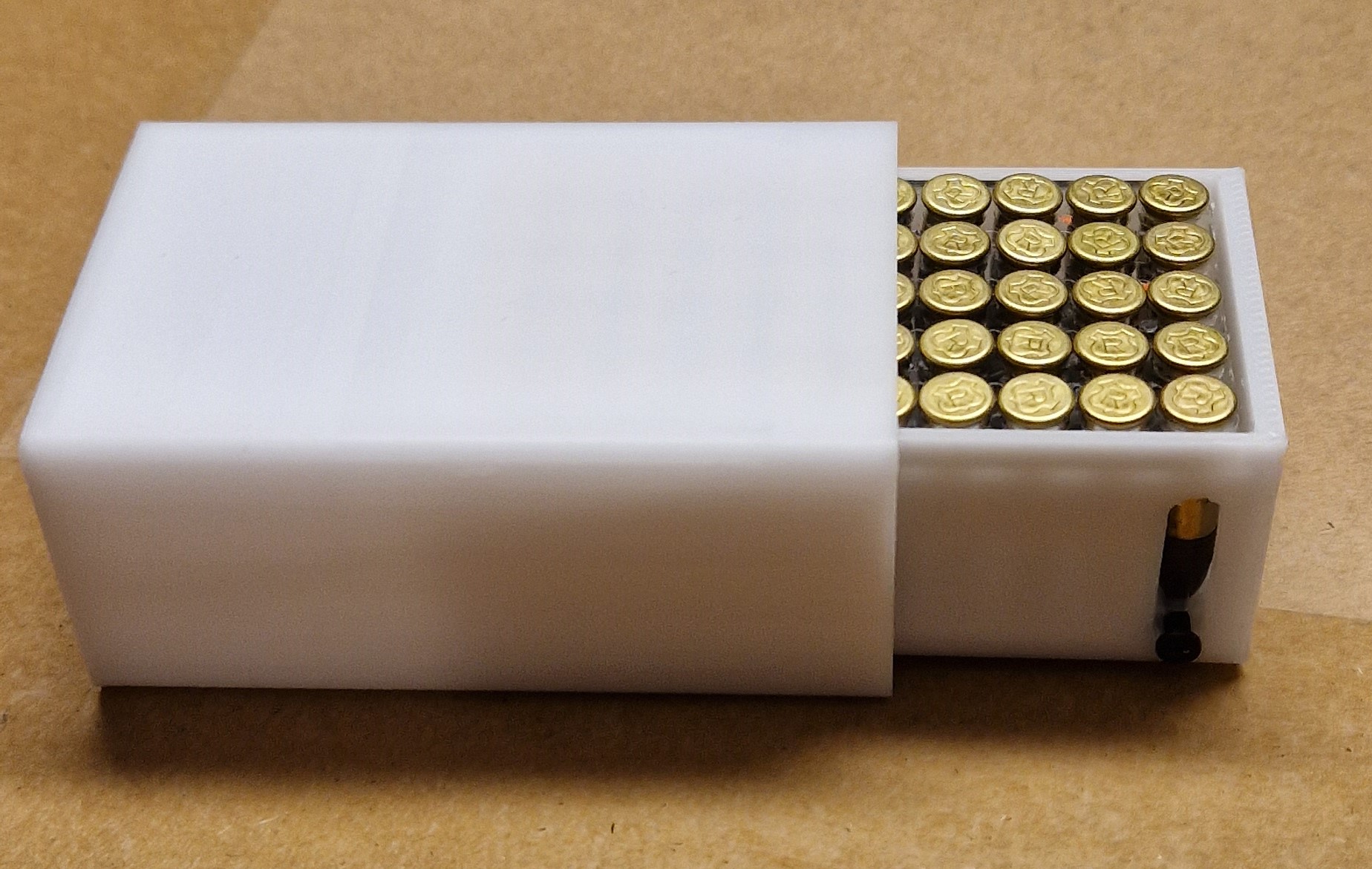
With factory new ammo, you get consistent pressure and velocity you can rely on, shot after shot. Freshly Ammo Cans & Storage for Sale manufactured rounds use precisely weighed powder charges and uniform primers, so your bullet’s path stays predictable downrange. Reloads and surplus, on the other hand, often vary in burn rate or case volume, which shifts your point of impact and can feel “off” at the bench. That steady pressure means your scope adjustments hold true, your group sizes shrink, and your rifle cycles smoothly without surprises. You simply know what your gun will do every time you pull the trigger—no chasing flyers or second-guessing your load data.
How New Brass and Primers Reduce Malfunction Risks
Freshly manufactured rounds use new brass that has never been fire-formed or resized, ensuring the case walls and primer pockets remain at exact spec. This prevents loose primer seating, which is a common cause of gas leakage or misfires in reloaded cases after multiple firings. New brass also has uniform neck tension, so bullets are held consistently, avoiding setback that can spike pressure. Equally important, factory-new primers are seated to a precise depth with fresh, sensitive priming compound that ignites reliably, even in dirty chambers or cold conditions. The combination of virgin brass and pristine primers directly addresses the two most frequent malfunction origins—failure to fire and inconsistent chamber sealing—making new brass and primer reliability a core safeguard against stoppages during critical use.
Accuracy Benefits: What Tighter Tolerances Do for Your Groups
With factory new ammo, tighter manufacturing tolerances translate directly into smaller, more consistent groups because every cartridge shares identical case lengths, neck tension, and bullet seating depth. This uniformity eliminates the random pressure spikes and velocity variations that plague reloads, letting your rifle settle into a single, predictable harmonic node. Surplus rounds, often worn or inconsistent, scatter impact points across the target; fresh rounds lock your point of aim to point of impact with precision. The result is a tighter shot cluster at 100 yards—and a meaningful reduction in vertical stringing at distance—because each bullet leaves the barrel with the same spin, yaw, and energy, creating repeatable accuracy shot after shot.
How to Verify the Freshness and Quality of Your Purchase
When you crack open that sealed case of factory new ammo, the first thing you do is run a fingertip across the brass—it should feel slick, never gritty or sticky with old preservative. Verify the freshness by checking the headstamp for a recent lot date; if the box lacks a production code, smell the primers—a sharp, chemical bite means they’re live, while a flat, musty odor signals moisture crept in. Pull a single round and shine a light down the case mouth; the projectile should sit snug, with no wobble or setback. Then, roll the cartridge on a flat counter—a true cylinder rolls evenly, but a dented case will rock. Finally, shake the box near your ear; a rattle means loose powder, which is a dead giveaway of cracked seals. Quality assurance for your purchase ends with a quick gauge test: drop the round into your chamber and let the bolt close gently. If it seats with a crisp click, not a forced crunch, you’ve got fresh, factory-true ammunition ready for the range.
Checking Headstamps and Lot Numbers for Traceability
Begin by inspecting the headstamp and lot number for traceability, as these markings are your primary audit trail. The headstamp, typically on the case base, reveals the manufacturer and cartridge designation, confirming the box matches its contents. The lot number, often a series of digits or letters, links every round to a specific production run. If a recall or quality issue emerges, this identifier alone lets you pinpoint affected ammunition. Cross-reference the lot number printed on the box flap with the one on each specialty sports & supply cartridge or the case tray—mismatches indicate re-packaging or mixing. For factory-new ammo, lot consistency ensures identical propellant and primer batches, which directly impacts velocity uniformity. Record lot numbers in your range log before storage; this practice enables precise fault tracing if you encounter failures, and helps you avoid problematic runs in future purchases.
Physical Inspection: What a New Cartridge Should Look and Feel Like

A fresh factory cartridge should present a seamless, unblemished case with a consistent metallic sheen and no discoloration, pits, or tooling marks. The bullet must sit perfectly flush and concentric with the case mouth, showing no signs of setback or wobble when rolled on a flat surface. The primer should be securely staked, flush or slightly recessed, with a clean, undented surface and no visible sealant cracks. Crimp or cannelure lines should be sharp and uniform. Physical inspection of the cartridge’s surface integrity is your first defense against damaged rounds. Run your fingertip along the case body—a factory-new round should feel smooth, with no gritty residue or waxy film that indicates poor storage conditions. The overall weight should feel solid and balanced, not hollow or rattling.
Sealants and Crimps: Signs of Proper Factory Sealing
When inspecting factory new ammo, sealants and crimps are your first defense against counterfeit or degraded rounds. A proper factory seal appears as a uniform, glossy ring of lacquer or asphaltum around the primer pocket and case mouth—never cracked, bubbly, or absent. The crimp should show a distinct, even indentation where the bullet meets the case, with no visible gaps or rough edges. On live rounds, a tight crimp resists setback when pressed against a hard surface, while sealant prevents moisture ingress. If either feature looks inconsistent across a box—some heavy, some light—the ammunition likely 5.56 Ammo for Sale passed through improper storage or handling, compromising its freshness.
Selecting the Right Fresh Load for Your Specific Firearm
Selecting the right fresh load for your specific firearm begins with verifying the cartridge designation stamped on the barrel, as factory new ammo is engineered to exact SAAMI pressure specifications for that chamber. Choose a bullet weight that matches your .17 WSM Ammo for Sale rifling twist rate—typically 55-grain for 1:12 twist barrels and 62–77-grain for 1:7 twists—to stabilize flight. Consult your owner’s manual for recommended grain ranges, then start with a standard pressure, full-metal-jacket round for initial function checks. Fire a five-shot group from a rested position; if you see keyholing or erratic accuracy, step down in bullet weight. Also, confirm the cartridge overall length cycles smoothly through your magazine, since fresh load selection must align with feed ramp geometry. Always verify that the box’s lot number matches the ammo inside, and avoid mixing batches in one session.
Matching Bullet Weight and Profile to Your Barrel Twist Rate
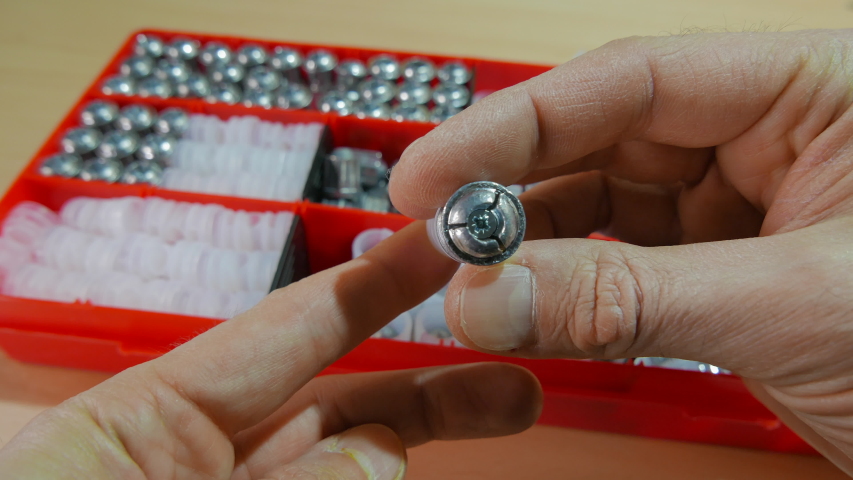
Your barrel’s twist rate dictates the spin imparted to a bullet, and factory new ammo must match this to stabilize properly. A slower twist (e.g., 1:12) favors lighter, shorter bullets, while faster twists (1:7 or 1:8) handle heavy, long-for-caliber projectiles. For example, a 55-grain FMJ in .223 will keyhole out of a 1:7 barrel, while a 77-grain OTM may fail to stabilize from a 1:12. Matching bullet weight and profile to barrel twist is the first step to precision. Check your barrel’s specification, then select factory loads with a bullet length and weight that fall within that twist’s optimal stability range. *Even a small mismatch, like using a 69-grain match bullet in a 1:9 twist for a 16-inch barrel, can reduce accuracy dramatically at 100 yards.*
Always verify the manufacturer’s twist rate and choose factory ammo whose bullet weight and profile fall within the stabilizing window to avoid keyholing and poor accuracy.
Understanding Velocity Ratings for Self-Defense vs. Target Use
When you’re picking factory new ammo, the velocity rating tells two very different stories. For self-defense, you want higher velocity for reliable expansion—a slower round might under-penetrate or fail to open up through heavy clothing. For target use, though, you’re chasing consistency, not peak speed; a flat, moderate velocity helps you track recoil and keeps point-of-impact predictable. Extreme velocity in practice ammo often just means more muzzle flip and faster barrel wear without any accuracy benefit. Before committing, check your firearm’s twist rate and barrel length—they alter how that factory velocity performs in real life.
- Self-defense loads need 900–1,100 fps (for handguns) to ensure expansion and adequate penetration.
- Target loads prioritize standard deviation of velocity, not raw speed, for tighter groups.
- Always verify velocity against your actual barrel length—box numbers come from test barrels, not your gun.
Primer Types and Their Effect on Your Gun’s Action
Primer type directly dictates how your firearm’s action cycles, because each variant produces a distinct pressure curve and ignition energy. Boxer primers, standard in most factory new ammo, 7.62×51 Ammo for Sale deliver a consistent, hot flash that reliably unlocks semi-automatic slides, while Berdan primers, often found in imported surplus, can produce a softer strike that may fail to fully cycle shorter recoil systems. Magnum primers, loaded for heavy magnum loads, generate a longer, more intense burn that can over-gas a tuned action, causing premature unlocking and increased bolt velocity. Conversely, standard rifle primers in a gas-operated gun might not generate enough port pressure to push the carrier fully rearward, especially in cold weather or fouled chambers. For your specific action, follow this diagnostic sequence:
- Check your manual for the intended primer category, then fire a test batch and observe ejection pattern strength.
- Monitor bolt hold-open reliability—if it fails, switch to a hotter primer variant.
- Inspect spent primer cups for flattening or cratering, which signals excessive pressure that can batter your action.
Match the primer type to your action’s operating tolerance—not just the cartridge—to ensure smooth, repeatable cycling.
Practical Tips for Storing and Handling Brand-New Cartridges
For factory new ammo, the primary concern is preserving the factory seal and 5.7x28mm Ammo for Sale preventing corrosion. Store brand-new cartridges in their original factory box, which protects primers and bullet tips from impact and moisture. Keep them in a cool, dry place with stable temperatures, ideally below 75°F, and avoid attics or garages with humidity swings. Before loading, inspect each round for loose bullets, deep scratches, or green residue on brass, which indicates oxidation. When handling, avoid touching the primer with oily fingers; skin oils can degrade the primer compound over time. Use a clean, padded tray to transfer rounds into magazines, and never force jam a cartridge.
Always seal opened factory boxes in a zip-top bag with a desiccant packet to maintain a bone-dry internal environment.
Finally, rotate your stock by using older factory rounds first, but only if they were stored correctly from day one.
Proper Storage Conditions to Keep Fresh Rounds at Peak Performance
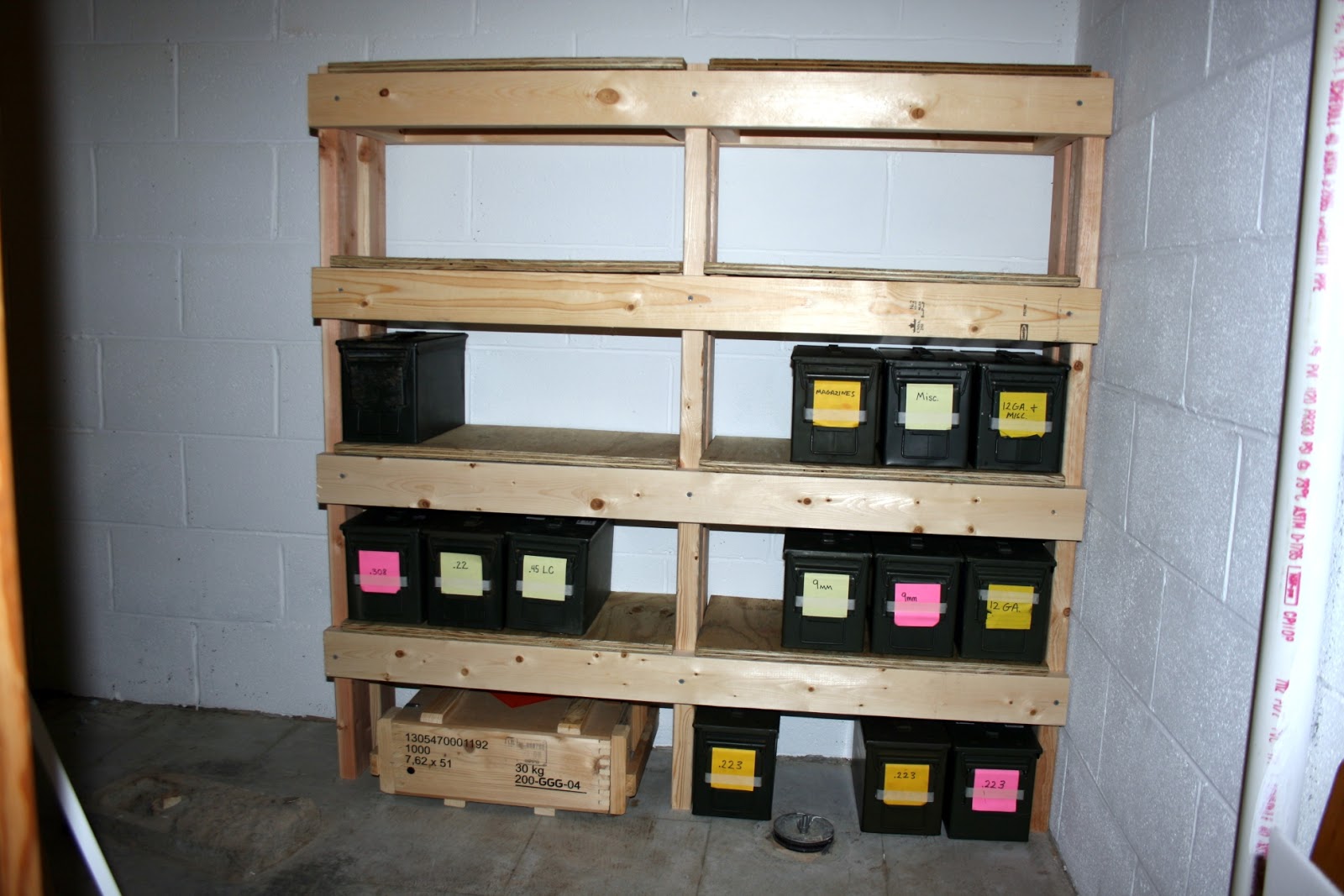
To keep fresh rounds at peak performance, maintain a stable, cool environment between 55°F and 70°F. Extreme heat accelerates powder degradation, while freezing temperatures can cause condensation upon warming, risking corrosion. Seal your factory-new cartridges in their original boxes inside an airtight, watertight ammo can with desiccant packs. Avoid storing in basements or attics where humidity fluctuates; target a relative humidity below 40 percent. Always lay boxes flat to prevent bullet setback or powder shift, and rotate your stock using a first-in, first-out system. Inspect every six months for tarnish or green patina, which signals moisture intrusion that can compromise primer reliability and ballistic consistency.
Rotating Your Stock: How to Use Old Stock Before New Arrivals
When your fresh factory ammo lands, resist the urge to dive straight into the shiny new boxes. Instead, practice a strict first-in, first-out routine: physically pull your older cartridges to the front of the safe or shelf and place new arrivals behind them. Before any range day, make a point to grab from that front stack, prioritizing old stock rotation to prevent corrosion or primer degradation from long-term storage. If you have partial boxes, tape a date on them and commit to finishing those before cracking a sealed case. By consistently cycling the older rounds into your next shooting session, you ensure every cartridge gets used at peak performance, and your inventory never grows stale. This simple habit turns a storage chore into a smooth, dependable rhythm.
Rotate old ammo to the front, shoot it first, and date partial boxes—keeping your supply fresh and reliable before new arrivals take their turn.
When to Trust a Factory Round’s Shelf Life—and When to Discard It
A factory round’s printed shelf life is reliable only if the cartridge remains in its original sealed packaging, stored below 75°F with stable humidity below 40%. Trust the date when primers are visibly sealed and cases show no tarnish, as these conditions preserve the propellant’s chemical stability. Discard the round—regardless of its stamped year—if the bullet sits deeper than the cannelure, the primer pocket shows corrosion, or the case neck exhibits hairline cracks. Factory ammo shelf life depends on storage history, not the calendar alone. Also, discard any round that fails a chambering test in your firearm, since dimensional swelling from heat exposure invalidates the factory’s nominal shelf-life claim, even if the finish looks pristine.
Trust a factory round’s shelf life only when packaging is unbroken and environmental conditions were controlled; discard it upon any sign 7.62×39 Ammo for Sale of corrosion, bullet setback, or case cracking, regardless of the printed date.